Eatr・AI Healthy Meal Plan・Diet
- 4.4
- Rating
- 500.00K
- Installs
- Free
- Price

 Analysis by App-foxy
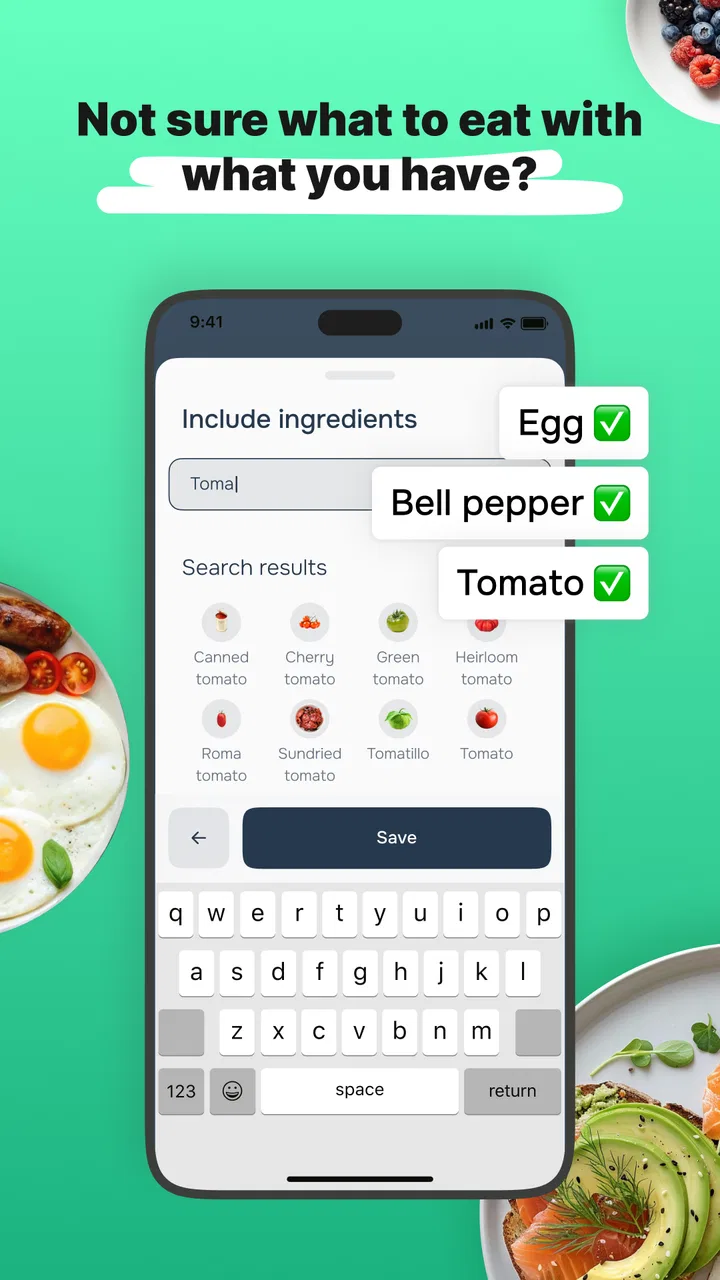
I approached Eatr・AI Healthy Meal Plan・Diet as someone who often knows what I want to eat in theory but loses time deciding what to cook. It is a free Food & Drink app from Eatr - MealPlans, built around AI-assisted meal planning and recipes rather than serving as a simple recipe box. After using it, my view is that its biggest value comes from reducing decision fatigue: instead of opening the fridge, searching randomly, and giving up, you can start with a more organized plan.
The app has a 4.4 average from around 35 thousand ratings and has passed half a million installs, which makes it feel like an established choice rather than an experiment with no user base. It is rated for Everyone, and the current release is 2.49.0. That combination matters because meal planning is something people may use every day, so a clear interface and dependable routine are more important than flashy extras.
How Eatr feels during everyday use
I find the everyday appeal of this meal planner is less about collecting recipes and more about making one useful decision when time or energy is short. In the next section, I look at how I would judge the app’s trustworthiness through the controls and choices I can actually see, rather than assumptions about how its AI works.
You May Also Like

 Blood Strike: 2.5 Anniversary
Blood Strike’s Loadouts Turn Every Drop Into a Tactical Gamble
A close look at Blood Strike’s custom loadouts: how fast access to signature weapons reshapes its battle royale rhythm, rewards preparation, and narrows the gap between fights.

 Pandora - Music & Podcasts
Pandora’s Music Is Easy to Start, but Harder to Recover
Pandora’s strength is its low-effort path from a seed to a station. Its weak spot is how much confidence it asks you to place in connection, setup, and quiet recovery.

 8 Ball Pool
 Is Built on Rivalries, Rematches, and Routine
A close look at the rivalries, rematches, shared routines, and unanswered safety questions that turn a quick pool match into a persistent mobile community.

 Samsung Music
’s Quiet Strength Is Playing What You Already Own
Its reach comes less from spectacle than from dependable access to a personal library. That simplicity is both the app’s strongest retention engine and its ceiling.

 AccuWeather: Weather Radar
AccuWeather Review: A Quick, Clear Forecast for Everyday Decisions
For everyday plans, the best forecast is the one you can understand quickly. AccuWeather makes rain timing, radar, and local conditions easy to act on, with a few trade-offs.

 Hill Climb Racing
Why Hill Climb Racing Still Turns Crashes Into One More Run
A tiny car, a bumpy hill and one more upgrade: Hill Climb Racing keeps resurfacing because its simple chaos makes every near-miss feel personal.
More From Our News Desk
View All News


Quick enough for the moment you actually need it
The most useful test for a meal-planning app is not whether it looks impressive during a long browsing session. It is whether I can open it when I am hungry, find a sensible idea, and move on with my evening. Eatr is aimed at that moment. Its AI focus suggests a more guided experience than manually scrolling through a large recipe archive, and that can make the first decision easier.
I found the concept especially practical when planning several meals at once. A recipe app usually asks me to search dish by dish. Eatr is more useful when I want to think in terms of a week, a diet, or a general healthy-eating goal. That shift saves mental effort even when I still need to adjust the results to match what is available at home.
The speed of the experience will naturally depend on the device and connection, but the important point is that the app is not demanding in the way a video-heavy entertainment app might be. Its core job is presenting plans, recipes, and food choices. I would not install it expecting instant answers in every situation, but I also would not treat it as an app that needs constant high-end hardware.
What happens when I use it heavily
Light use is straightforward: check an idea, inspect a recipe, and close the app. Heavier use is different. If I am comparing several meals, revisiting a plan, and changing my mind about what to cook, the value depends on how well the app keeps that process understandable. This is where an AI meal planner has an advantage over a plain list of recipes, but also where it can create friction if the suggestions do not match my real routine.
My practical advice is to begin with a narrow goal instead of trying to solve every eating habit at once. For example, I would use it to organize weekday dinners first, then expand to other meals after seeing whether the recommendations fit my schedule. This makes it easier to notice whether the plan is genuinely helping or simply giving me more food-related information to manage.
There is also a useful trade-off between variety and effort. More suggestions can prevent repetitive meals, but too many choices can bring back the indecision the app is meant to remove. I get better results from treating the plan as a starting point, not a command. If a suggested meal requires ingredients I will not buy or preparation I will not do after work, replacing it immediately is more sensible than forcing myself to follow it.
A realistic weekday scenario
Imagine finishing work with limited energy and no clear dinner plan. With a conventional recipe website, I might search for “healthy dinner,” open several pages, compare ingredients, and still end up ordering food. With Eatr, I would rather begin from the kind of eating plan I want, look for a suitable recipe, and use the resulting structure to make one decision quickly.
The important benefit is not that the app cooks for me. It is that it can turn a vague intention into a concrete next step. I can decide whether the recipe fits my time, ingredients, and appetite. If it does, I have a plan. If it does not, I have learned what kind of suggestion is unsuitable, which helps me refine the next choice instead of browsing without direction.
Stability and recovery matter more than novelty
Meal planning is a repeat habit, so reliability matters more here than a one-time burst of inspiration. I would judge Eatr by whether I can return to it without losing the thread of what I was planning. The app’s current version indicates ongoing development, while its broad adoption suggests that it has had time to settle into a usable product.
Still, no AI-based recommendation tool should be treated as perfectly predictable. Suggestions may need checking, and a plan can require manual judgment when my schedule changes. I would always review ingredients and preparation details before shopping, especially if I am cooking for someone with allergies, medical dietary needs, or strict restrictions. A healthy label is not a substitute for personal nutritional advice.
If the app ever feels slow or a plan does not appear as expected, my first recovery step would be simple: return to the main planning flow rather than repeatedly tapping the same option. For a routine tool, clear recovery is more valuable than a complicated set of controls. I also prefer keeping a final shopping note elsewhere until I have checked the selected recipes, because plans can change between deciding and buying ingredients.
Device requirements and resource expectations
Eatr supports Android starting with version 7.0, so it is accessible to people using older compatible phones as well as newer devices. That is a meaningful advantage for a food app: I do not need a recent flagship phone just to organize meals. The app’s content-focused purpose also makes it a more reasonable fit for a modest device than apps built around constant video playback or advanced graphics.
Even so, older hardware can make any modern app feel less responsive when several screens are open or when content needs to load. I would keep expectations realistic on an aging phone, particularly if storage is tight or the system is already struggling with other apps. On a newer device, the experience should feel more comfortable, but I would not choose Eatr because of raw performance alone. Its appeal is the planning workflow.
Resource use is also connected to how often I browse. A short planning session should be easier on the phone than leaving the app open while repeatedly exploring recipes. If I am trying to conserve battery or mobile data, I would plan when I have a stable connection and avoid treating the app as an endless browsing feed. That is a sensible habit for any recipe service, but it is especially useful when the goal is efficient meal preparation.
Where it beats ordinary recipe searching
The usual alternative is a search engine, a bookmarked recipe site, or a handwritten list. Those options are often better when I already know exactly what I want: a particular dish, a specific cooking method, or a recipe from a trusted source. They are also easier when I want complete control over every ingredient without AI suggestions influencing the process.
Eatr is stronger at the earlier stage, when I know I want to eat better but do not yet know what that looks like for the coming days. It brings planning, dietary direction, and recipes into one food-focused experience. That is more useful than a pile of saved links that I never organize.
The trade-off is that convenience depends on accepting some guidance. If I enjoy designing every meal myself, the app may feel unnecessary. If I follow a highly specialized diet, I would use its suggestions carefully and verify each recipe rather than assuming the general plan covers every personal requirement. For precise medical nutrition, a qualified professional and a purpose-built approach are better choices.
Small workflow choices that improve the experience
I would use Eatr in three passes. First, I would set a realistic direction based on meals I actually enjoy, not an idealized version of my lifestyle. Second, I would inspect the plan for preparation time and ingredients before committing. Third, I would make a short shopping list only after removing meals that do not fit the week.
This approach avoids a common mistake: judging a planner by how attractive its recommendations look instead of whether I will follow them. A meal that sounds healthy but takes too much effort is less useful than a simpler option I will genuinely prepare. The app works best when I use its planning intelligence to narrow choices, then apply my own knowledge of budget, schedule, and kitchen habits.
Another non-obvious benefit is that the app can help expose patterns in my decisions. If I repeatedly skip certain suggestions, that tells me something about my preferences or time limits. Rather than blaming the plan, I would use those rejections as feedback for choosing more practical meals. This turns the app from a passive recipe display into a tool for making my own eating routine more honest.
Cost and what to expect from the free version
The app is free to install, which makes it easy to test without committing money first. It also includes in-app purchases ranging from $4.99 to $99.99 per item, so I would pay attention to which parts of the experience require an upgrade before building my entire routine around them.
My recommendation is to begin with the free experience and ask one question: does it save me enough time and effort to justify paying for more? Someone who only wants occasional recipe inspiration may never need to spend anything. A person who uses meal planning every week may find additional paid access worthwhile, but that decision should come after checking how well the suggestions fit their actual diet and schedule.
I would not subscribe simply because the app uses AI. The useful measure is practical: am I cooking more consistently, wasting fewer ingredients, or spending less time deciding what to eat? If the answer is no, paid features will not solve the underlying mismatch.
Who should use it and who should skip it
I think Eatr is a good match for busy people who want structure without creating a detailed spreadsheet. It should appeal to beginners who are trying to make healthier choices, households that struggle with dinner decisions, and users who like the idea of combining diet direction with recipes. It is also suitable for someone who wants a gentle starting point rather than a rigid program.
I would be more cautious if I had complex allergies, a medically prescribed diet, or very exact nutritional targets. I would also skip it if I already have a reliable meal-planning system and enjoy choosing recipes manually. In that case, a familiar recipe collection may be faster and more transparent than introducing an AI layer.
Families should also consider how many people they are feeding. A plan that suits one person may need substantial adjustment for different tastes, portions, or schedules. Eatr can help generate ideas, but it cannot remove the household negotiation that comes with shared meals.
My performance verdict
After weighing speed expectations, heavier planning sessions, device compatibility, and day-to-day reliability, I see Eatr as a practical organizer rather than a miracle nutrition solution. Its strongest performance is measured in reduced decision fatigue. It gives me a clearer path from “I should eat better” to “this is the meal I am making,” which is a meaningful improvement over unstructured searching.
The app is not the right choice for people who need clinical dietary precision or complete manual control. Its AI suggestions still deserve common sense, and the presence of paid items means I would test the free experience before spending. Those limitations do not cancel its usefulness; they define the situations where it works best.
For me, the deciding factor is whether I want a plan that adapts the starting point for me, rather than another place to store recipes. If that sounds like your problem, Eatr・AI Healthy Meal Plan・Diet is worth trying. I would keep the first week simple, verify every recipe before shopping, and judge it by the meals I actually prepare. Used that way, it can become a steady part of a healthier routine instead of another app I open once and forget.
FAQs for Eatr・AI Healthy Meal Plan・Diet
01What is Eatr・AI Healthy Meal Plan・Diet and how does it work?
Eatr・AI Healthy Meal Plan・Diet is an advanced application that utilizes artificial intelligence to create personalized meal plans tailored to your dietary needs and preferences. By inputting your health goals, dietary restrictions, and preferred foods, the app generates a balanced plan designed to help you achieve your fitness and wellness objectives, whether it's weight loss, muscle gain, or maintaining a healthy lifestyle.
02Can Eatr accommodate specific dietary restrictions or preferences?
Yes, Eatr is highly customizable and can accommodate a wide range of dietary restrictions and preferences. Whether you’re vegan, vegetarian, gluten-free, or following a specific diet like keto or paleo, the app adjusts its meal recommendations accordingly. Simply input your restrictions during the setup process, and Eatr will generate meal plans that align with your dietary needs.
03Is the app’s meal plan suitable for families or groups?
Eatr is designed primarily for individual use, but it can be adapted for families or groups by scaling the recipes. The app allows users to modify serving sizes, making it convenient to prepare meals for multiple people. While its primary focus is personal meal planning, the flexibility of the app offers room for family adaptations, especially if dietary preferences align.
04How user-friendly is the Eatr app for beginners?
Eatr is designed with user-friendliness in mind, making it accessible even for beginners. The interface is intuitive, guiding users through the setup process with ease. Clear instructions and helpful tips are provided throughout the app, ensuring that users can navigate meal planning, recipe selection, and grocery lists without hassle. The AI-driven recommendations simplify decision-making, making it a great choice for those new to meal planning.
05Does Eatr require a subscription, and what are the costs involved?
Eatr offers a variety of subscription plans to suit different needs, including monthly and annual options. While the app provides some features for free, access to its full range of personalized meal plans and advanced features typically requires a subscription. Pricing details can vary, so it's best to visit the app’s website or store page for the most current information on subscription costs and available plans.
Pros
- Customizable meal plans tailored to dietary needs.
- Includes a variety of international cuisines.
- Seamless integration with fitness trackers.
- User-friendly interface for easy navigation.
- Regular updates with new recipes and features.
Cons
- Limited offline functionality for meal viewing.
- Premium features require a subscription.
- Some recipes lack detailed preparation steps.
- Occasional bugs in the shopping list feature.
- Recipes may require hard-to-find ingredients.

Eatr・AI Healthy Meal Plan・Diet
Gallery